http://indonherbalexpert.blogspot.com/2011/10/ginkgo-biloba-ginkgoaceae-effective-in.html

Go to Blogger edit html and find these sentences.Now replace these sentences with your own descriptions.This theme is Bloggerized by Lasantha Bandara - Premiumbloggertemplates.com.

http://indonherbalexpert.blogspot.com/2011/10/ephedra-chinese-ma-huang-treatment-of.html

Go to Blogger edit html and find these sentences.Now replace these sentences with your own descriptions.This theme is Bloggerized by Lasantha Bandara - Premiumbloggertemplates.com.

http://indonherbalexpert.blogspot.com/2011/10/echinacea-extensively-to-prevent-and.html

Go to Blogger edit html and find these sentences.Now replace these sentences with your own descriptions.This theme is Bloggerized by Lasantha Bandara - Premiumbloggertemplates.com.

http://indonherbalexpert.blogspot.com/

Go to Blogger edit html and find these sentences.Now replace these sentences with your own descriptions.This theme is Bloggerized by Lasantha Bandara - Premiumbloggertemplates.com.

http://indonherbalexpert.blogspot.com/2011/10/black-cohosh-cimicifuga-racemosa-very.html

Go to Blogger edit html and find these sentences.Now replace these sentences with your own descriptions.This theme is Bloggerized by Lasantha Bandara - Premiumbloggertemplates.com.

Showing posts with label herbal medicine news. Show all posts

Tuesday, 25 October 2011

India's Ayurvedic Practice

India's Ayurvedic Practice
herbalist , healthy , environment


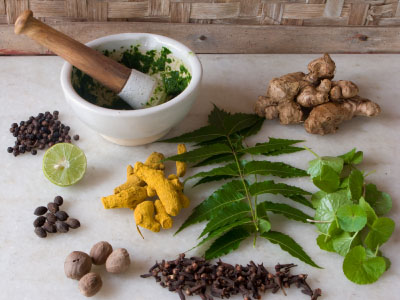
Turmeric, like other herbs and spices, is a principle herb in Ayurveda -- India's ancient holistic health system. Ayurveda means "knowledge of life" -- with herbs lying at the very heart of Ayurvedic practice.
Turmeric Ayurveda Practice Turmeric has multiple uses within Ayurveda, including blood cleansing and maintaining healthy skin.* In Ayurvedic terminology, turmeric includes the following:

Verdana sthapana -- promotes your healthy nervous system and helps you with occasional discomfort*

Sangrahani -- supports your absorption of vitamins and minerals*

Anulomana -- helps you in purging out wastes and building healthy blood*

Rakta stambhaka -- promotes the wellness of your circulatory system*

And this is just the tip of the iceberg when it comes to Ayurvedic turmeric uses.

What does this mean to you?

Simply, turmeric has been used in Indian culture for thousands of years for a multitude of health-promoting reasons.* An estimated 500 million Indians still use the spice today.

What's Your Best Sources for Turmeric?

So by now, you might be wondering about potential sources of turmeric.

Well, you may already know you can find it in the spice aisle of your local grocery store. But as mentioned earlier, I don't recommend using your local grocery store, due to the quality of their herbs and spices.

Even though there may be some good spices available there, it's very difficult to verify their purity and potency.

Also, the turmeric powder you buy in your store is a spice. It doesn't necessarily come from high-quality organic herbs -- and is not produced using certified organic processes, causing you to risk missing its healthful benefits.

What's more... with store-bought turmeric powder, you'll probably just use it once in awhile to cook with -- not on a daily basis to consistently take advantage of the benefits it offers.

So, what other options do you have?

I recommend searching for a high-quality, 100% organic-based turmeric supplement.

But there are some things you should watch for when choosing a turmeric supplement.
Avoid Unnecessary Fillers, Additives, and Excipients

When I did my own research on available turmeric supplements, I found a surprising array of choices.

Besides, curcumin and curcuminoid ingredients, I found products with questionable ingredients like fillers, additives, and excipients. An excipient is a substance added to the supplement as a processing or stability aid.

One ingredient, magnesium stearate (also know as stearic acid), is a potentially toxic metal additive from pill production.

Another ingredient I found in many turmeric supplements, Dibasic Calcium Phosphate (DCP), may even inhibit the absorption of essential minerals within your system.

There are others you may find as well, but the bottom line is... you don't want or need these ingredients in your turmeric supplement. Some pose potential health risks -- and all are unnecessary.....RESOURCES

Top 20 Herbs for Health 2011

Top 20 Herbs for Health 2011
herbalist , healthy , environment

20 must-have herbs for your medicine cabinet:


Luckily for us, we live at a time when researchers gather new information about herbs almost daily. And they're confirming that sometimes herbs just work better than prescription and over-the-counter medicines. For example, deglycyrrhizinated licorice heals ulcers without the risk of severe bleeding that accompanies prescription ulcer medicines. And St. John's wort lifts mild and moderate depression without squashing your libido or making you sleepy the way prescription antidepressants do. Here we reveal the 20 herbs that experts say you can count on to safely treat common chronic ailments.

Acid Reflux

The Best Herb: If you suffer from acid reflux, deglycyrrhizinated licorice (Glycyrrhiza glabra), or DGL, could make meals more pleasant. DGL coats your esophagus, protecting it from irritating stomach acid, and reduces painful inflammation in your esophagus, says Rob McCaleb, president of the Herb Research Foundation in Boulder, Colo. Researchers haven't yet studied DGL's effect on acid reflux, but previous studies have confirmed that the herb eases inflammation, pain, and other disorders of the gastrointestinal system.

The Best Dose: Chew two 250 mg wafers 20 minutes before you eat a large, spicy, or acidic meal, and take up to six wafers a day. DGL must make direct contact with your esophagus to help, so chewable DGL wafers provide the best relief. Do not substitute any form of regular licorice for DGL because regular licorice can increase your blood pressure. And do not use DGL if you are pregnant or nursing.

Anxiety

The Best Herb: Relief can be yours within a few hours when you take kava kava (Piper methysticum), which appears to calm your nervous system by binding to the brain receptors that promote relaxation. This year scientists reviewed n well-designed human studies on the herb and concluded that kava kava effectively and safely quelled anxiety. You may have seen news stories warning against kava kava because it may cause liver damage, but McCaleb says these findings have not been substantiated in adults with healthy livers. "The major anti-anxiety herb is still kava," he says.

The Best Dose: There are two ways to take kava kava. Take 400 to 500 mg of powdered kava kava capsules up to six times a day until your anxiety subsides. Or stir 1 teaspoon of powdered kava kava (sold in some natural food stores) into 1 cup of hot water. Let it steep for five minutes, strain it, and drink up to six cups a day until your anxiety subsides. If you don't like the taste, stir in a teaspoon of honey. You should begin to notice an improvement a few hours after the first dose, but the best results occur after a month or more of regular use. Do not use kava kava with alcohol, if you are a heavy drinker, or if you have existing liver problems like hepatitis. Do not use kava kava while pregnant or nursing.

Arthritis

The Best Herb: "I've used boswellia (Boswellia serrata) with my arthritis patients for the last 10 years with dramatic results," says Chris D. Meletis, N.D., dean of naturopathic medicine at the National College of Naturopathic Medicine in Portland, Ore. The herb relieves symptoms of both osteoarthritis and rheumatoid arthritis. Meletis adds that people who don't respond well to other natural treatments like glucosamine often improve with boswellia.

Both kinds of arthritis involve inflammation, and boswellia appears to inhibit the chemicals that trigger inflammation. Research on its use for osteoarthritis is preliminary, but herbalists we consulted say it works for their patients. As for rheumatoid arthritis, more than xo placebo-controlled German studies show that boswellia significantly reduces pain, swelling, and morning stiffness. Researchers concluded that the herb works as well as conventional therapies like aspirin and has fewer side effects.

The Best Dose: Take 400 mg of boswellia, standardized to approximately 65 percent boswellic acids, three times a day. You'll need to take it daily for at least a week to experience relief. The herb is safe to use indefinitely, but it causes mild stomach upset in some people. It hasn't been tested for safety in pregnant and nursing women, so consult your practitioner before taking it.

Asthma

The best Herb: The Middle Eastern herb khella (Ammi visnaga) helps halt asthma attacks before they start, says David Winston, a Broadway, N.J.-based herbalist and director of the Herbal Therapeutics Research Library, who has used the herb successfully with asthmatic patients. Scientists don't completely understand how khella works, but they do know that it dilates your bronchial passages, relaxing the same smooth muscles that spasm during asthma attacks, which allows you to breathe easier.

The Best Dose: Because of the serious nature of asthma, use this herb under the supervision of a health care professional, says Christopher Hobbs, L.Ac., a Davis, Calif.-based herbalist and acupuncturist. Take 1/4 teaspoon of khella liquid extract twice a day. You should begin to notice improvements in two to four days, and they'll gradually increase over time. If your asthma is triggered by allergies, take khella daily during your allergy season. But if you suffer from year-round asthma, take khella continuously. Do not use khella to stop an asthma attack once it starts; stick with conventional drugs for that. Do not use khella if you are pregnant or nursing. The herb may make you more sensitive to sunlight, so wear sunblock whenever you go outside for longer than 15 minutes.

Congestive Heart Failure

The Best Herb: If you suffer from congestive heart failure and live in Germany, your doctor is likely to treat you with hawthorn (Crataegus monogyna) a respected heart treatment in that country. The herb improves your heart's ability to pump blood, improves blood flow, tones and relaxes your blood vessels, and has an excellent safety record, says Adriane FughBerman, M.D., a Washington, D.C.-based alternative medicine researcher and assistant clinical professor at George Washington University School of Medicine. A 2001 German study of 88 patients with congestive heart failure found that after three months of taking hawthorn, the patients could exercise longer, were less likely to feel fatigued, and had a better quality of life.

The Best Dose: Because of the serious nature of congestive heart failure and because hawthorn may enhance the effect of some heart medications, work with your doctor if you want to start taking it. You can use it in one of two ways: Try 1/2 teaspoon of hawthorn solid extract two or three times a day. (You'll find this paste in some natural food stores and on websites.) Or try 120 to 240 mg in capsule form three times a day. The herb requires four to eight weeks to take effect and you'll need to take it indefinitely.

Depression

The Best Herb: St. John's wort (Hypericum perforatum) remains the undisputed champion for mild to moderate depression, says James A. Duke, Ph.D., a Fulton, Md.-based herbalist and retired USDA botanist. (But it does not treat severe depression, he adds.) More than 30 double-blind studies have been done on this roadside flower, and researchers have concluded it's just as effective as its pharmaceutical counterparts Zoloft and Prozac, but has half the side effects. Despite all this research, experts still don't know exactly how St. John's wort works. It may lower stress hormones in your body or mimic the action of feel-good neurotransmitters in your brain.

The Best Dose: You can use St. John's wort one of two ways: Take 300 mg of St. John's wort, standardized to 0.3 percent hypericin, three to four times daily with meals, recommends Paul Saunders, N.D., Ph.D., naturopath and professor at the Canadian College of Naturopathic Medicine in Toronto. Or take 30 drops of a standardized liquid extract in a few ounces of water four times a day. Be patient. The herb takes four to six weeks to improve your mood. If you don't notice a difference after eight weeks, consult a health care professional to try another treatment. And talk to a health care practitioner before you combine this herb with drugs; St. John's wort may decrease the effect of several pharmaceutical drugs, including birth control pills and HIV and heart medications. Seek the advice of a doctor or therapist if your depression is severe or you feel suicidal. St. John's wort has not been tested for safety in pregnant and nursing women, so consult your practitioner before taking it.

Diabetes

The Best Herb: Gymnema (Gymnema sylvestre) may reduce your diabetes symptoms by stimulating your pancreas to pump out more insulin. Meletis relies on the herb to help treat type z diabetes in his patients. Gymnema has been used for centuries by Ayurvedic medical practitioners in India, but research is still preliminary. A pair of small studies published in the Journal of Ethnopharmacology in 1990 found that the herb reduced blood sugar so much that some patients discontinued conventional diabetes drugs. Lab tests suggest that gymnema may help control type 1 diabetes as well, but more research is needed, Winston says.

The Best Dose: Diabetes is a serious condition, so always work with your health care professional even if you're not on diabetes medications. Take 400 mg three times a day with meals. It takes three to four weeks to notice benefits, and you'll experience the improvements only as long as you take the herb. Gymnema has few side effects, but consult your health care professional before taking it if you are pregnant or nursing.

Enlarged Prostate

The Best Herb: Most men age 50 and older need to know about saw palmetto (Serenoa repens). This herb reduces the symptoms of enlarged prostate, a common problem of aging. A recent review of more than 20 controlled human trials concluded that saw palmetto reduced the symptoms of enlarged prostate, including nighttime bathroom trips, as effectively as pre scription medication but with fewer side effects. Scientists originally thought saw palmetto worked like drugs for enlarged prostate. But recent research disproves this, McCaleb says, and the exact mechanism of the herb is still a mystery.

The Best Dose: Take 320 to 640 mg of saw palmetto daily, Saunders recommends. You'll absorb the herb better if you take it with a meal that contains a little fat. You'll start to notice a difference in a month to six weeks, with progressive improvements for six months that then hold steady for as long as you take the herb. Saw palmetto may artificially reduce prostate specific antigen (PSA) scores (which are thought to indicate your prostate cancer risk), so make sure to tell your doctor that you're taking it.

Fatigue

The Best Herb: You can't beat Siberian ginseng (Eleutherococcus senticosus) as a fatigue-buster. It safely and effectively strengthens your adrenal glands so that your body responds better to stress (something we could all use), Meletis says. This well-researched herb may also regulate your sleep cycle so that you feel more rested, and studies show that it can even improve the energy levels of shift workers.

The Best Dose: Take 400 mg in capsule form or 15 to 20 drops of liquid extract. Choose the nonstandardized form, and take one dose with breakfast and a second dose with lunch, Meletis recommends. Avoid taking the herb later in the day because it may make it harder to fall asleep at night. You should feel less tired within a few hours of your first dose. Don't use Siberian ginseng if you're pregnant or nursing, have heart disease or high blood pressure, or you take blood thinners like warfarin.

Hay Fever

The Best Herb: If you suffer from hay fever, the herb eyebright (Euphrasia officinalis) is a "phenomenal" solution, Winston says. Eyebright appears to make your immune system less reactive to airborne allergens. Although Winston and other practitioners know eyebright works, scientists have not subjected the herb to human trials. But they do know that the herb contains anti-inflammatory and astringent compounds, which reduce swelling and itching and dry up a runny nose.

The Best Dose: Take 1/4 teaspoon of eyebright liquid extract four times a day as needed. You should notice some improvement within z4 hours, although severe congestion may take longer to improve. The herb appears to be safe, but don't use it without the help of a health care professional if you're pregnant or nursing.

Herpes

The Best Herb: The herpes virus can be virulent, but you'll be surprised to learn that a garden herb can beat the symptoms into submission. Lemon balm (Melissa officinalis) can treat and prevent cold sores and genital herpes, both of which are caused by the herpes virus. Compounds in lemon balm appear to bind to the virus' receptor sites, preventing it from spreading. And the herb reduces symptoms like itching, burning, swelling, and tingling, and speeds healing, according to several double-blind, placebo-controlled human studies in Europe. Regular use of lemon balm cream may prevent future outbreaks.

The Best Dose: Apply a thick coat of lemon balm cream with a concentration of 70 to 1 to the affected area at least four times a day. (The concentration will be listed on the label.) You should begin to feel relief immediately. The herb has few to no side effects and can be used topically even if you are pregnant. Herpes is highly contagious and lemon balm does not prevent it from spreading to another person.

High Blood Pressure

The Best Herb: The herb dandelion (Taraxacum officinale) may quell high blood pressure. It works like prescription diuretics by decreasing your blood volume, which decreases your blood pressure, Meletis explains. Although researchers haven't studied the effect of this herb on people with high blood pressure, herbalists say they've seen it work in their patients.

The Best Dose: Take 400 to 800 mg of dandelion leaf (not root) capsules, divided into two doses with meals. You should experience the diuretic effect within a few hours (meaning you'll urinate more), and the blood pressure benefits should last for as long as you take the herb. Do not take dandelion if you have gallstones or a bile duct obstruction; it can exacerbate your problem. Consult your doctor before taking dandelion if you're pregnant or nursing. Diuretics can alter the effect of some prescription medicines, so talk to your doctor before using them.

High Cholesterol

The Best Herb: No one knows exactly how the Indian herb guggul (Commiphora mukul) works, but it may bind to cholesterol in your gut so that you eliminate it before it enters your bloodstream, Winston says. Researchers have studied guggul for 30 years and one 1994 study stands out. Published in Cardiovascular Drugs and Therapy, it found that guggul reduced serum cholesterol by about 18 per, cent, LDL ("bad") cholesterol by 13 percent, and triglycerides by 12 percent.

The Best Dose: If you have high cholesterol, be sure to use guggul with the guidance of a health care practitioner. Take 250 to 500 mg three times daily with meals. Consult your practitioner before taking guggul if you're pregnant or nursing. In rare cases, some people may experience mild gastrointestinal distress, nausea, or a skin rash; reduce your dose if these occur.

Insomnia

The Best Herb: Your dreams of a blissful sleep can come true if you take valerian (Valeriana officinalis). The herb contains valproic acid, a substance that helps people relax and fall sleep, Saunders says. In a 2000 double-blind study, German scientists gave 75 insomniacs either valerian or a prescription insomnia drug 30 minutes before bedtime. Valerian worked just as well as the drug and had fewer side effects. Another study found that valerian helps people who can't sleep due to stress.

The Best Dose: Take 1/2 teaspoon of valerian liquid extract in a few ounces of water at dinnertime and again at bedtime, Saunders recommends. Put the bottle next to your bed; if you wake up in the night, take IA teaspoon more. Scan labels to find a liquid extract made with the fresh root and rhizome rather than pills or liquid extracts made from dried valerian, Hobbs says. Don't use valerian if you've had more than a glass or two of wine with dinner; alcohol will magnify the herb's effect. Be aware that some people may be stimulated rather than calmed by this herb; stop taking valerian if it makes you feel jittery. Consult your health care practitioner before taking valerian if you are pregnant or nursing.

Irritable Bowel Syndrome

The Best Herb: Just a tiny amount of peppermint oil (Mentha piperita) can curtail the frustrating symptoms of irritable bowel syndrome (IBS). The oil relaxes the smooth muscle in your colon, stopping the cramps and spasms that afflict IBS sufferers. It may also relieve constipation, a common IBS symptom, by strengthening the muscle contractions that move waste through your intestines, Saunders says. A recent review of natural therapies for gastrointestinal problems found that peppermint capsules effectively decreased pain for kids with IBS.

The Best Dose: Take an enteric-coated capsule containing o.2 ml of peppermint oil at dinner and another capsule at bedtime, Saunders recommends. The enteric coating helps the capsule stay intact until it reaches your intestines, where it relieves IBS symptoms. The menthol in peppermint oil may cause heartburn in some people (if this happens, try taking it before you eat dinner, Saunders says). Do not take it while pregnant or nursing without the advice of a health care practitioner.

Memory loss

The Best Herb: If your memory is fading, promising research suggests that the Indian herb bacopa (Bacopa monnieri) can sharpen it. A double-blind, placebo-controlled study published last summer found that adults who took bacopa daily had better short-term memories than those who took a placebo. Animal studies indicate that the herb works by activating the memory section of the brain, allowing it to perform better.

The Best Dose: Bacopa can be difficult to find; look for either powder or capsules in natural food stores or on the Internet. If you use the powder, mix 1/4 to 1 teaspoon in 1 cup of water and drink 3 cups a day. If you find capsules, take 60 mg three times a day. You should notice an improvement in two to four weeks, but you must use bacopa daily to get results. The benefits will last only as long as you take the herb. Bacopa has no known side effects, but consult your health care practitioner before taking it if you are pregnant or nursing.

Migraines

The Best Herb: If you suffer from migraines, you must try feverfew (Tanacetum parthenium). A review of six double-blind, placebo-controlled human studies conducted on feverfew concluded that it prevents migraines in most people and has few side effects. The herb appears to work by inhibiting the release of serotonin, a brain chemical that may trigger migraines, and by relaxing constricted blood vessels in your head.

The Best Dose: Take 125 mg of feverfew standardized to 0.2 to 0.7 percent parthenolides twice a day with food, Saunders recommends. It may take up to four weeks of daily use to notice results, and you must take it indefinitely. Feverfew will not stop a migraine in progress. In rare cases it can cause mild stomach upset. There are no known drug interactions, but talk to your doctor if you're already taking conventional migraine drugs. Do not take feverfew without first consulting a health care practitioner if you are pregnant or nursing.

Nighttime Vision Loss

The Best Herb: If your vision fails after dark, the European herb bilberry (Vaccinium myrtillus) can make a noticeable short-term improvement in your sight, Winston says. During World War II, British Air Force pilots ate jars of bilberry jam before flying night missions to improve their night vision. Purple pigments in the berries, called anthocyanins, regenerate an essential protein in your eyes known as "visual purple." This protein is broken down in sunlight, which can dim your vision. The berries also protect your eyes against free radical damage caused by age and sunlight; studies in the 1980s found that bilberry extract stopped the progression of cataracts and diabetes-related eye damage.

The Best Dose: Take 120 to 240 mg of bilberry extract capsules twice daily, or eat 1/4 to 1/2 cup of blueberries daily (blueberries, a cousin of bilberries, work the same way, Winston says). Consult your health care professional before taking the capsules if you are pregnant or nursing.

Ulcers

The Best Herb: A proven soother of gastrointestinal ailments, deglycyrrhizinated licorice (Glycyrrhiza glabra) or DGL helps gastric ulcers the same way it eases acid reflux, by coating the irritated tissues and reducing inflammation. DGL also increases levels of prostaglandins, fatty acids that help protect and heal ulcers. Several controlled studies have found that DGL treats ulcers as effectively as conventional ulcer drugs but with fewer side effects. Conventional drugs actually suppress your body's production of prostaglandins, increasing your risk of future ulcers and severe bleeding.

The Best Dose: Chew two to four 250 mg tablets of DGL twice daily with meals. DGL is safe for long-term use and you must take it daily to get results. If you have a Helicobacter pylori infection, which is thought to cause many ulcers, be aware that DGL doesn't kill bacteria. If you know you have H. pylori, use the herb goldenseal with DGL. Goldenseal (Hydrastis canadensis) is rich in an antibiotic compound called berberine. Take up to four 500 mg capsules of goldenseal a day with meals. 10ng-term use of this herb may disrupt the good bacteria in your intestines, so don't take it for more than a week without consulting a health care practitioner. Avoid both DGL and goldenseal if you're pregnant or nursing.

Varicose veins

The Best Herb: Horse chestnut (Aesculus hippocastanum) can minimize unsightly varicose veins and prevent future ones. Aescin and other compounds in the herb shore up weak capillaries and veins, reducing existing varicose veins and relieving the pain and swelling that accompany them. Horse chestnut effectively reduced leg pain from chronic venous insufficiency (a condition related to varicose veins) more than four times as effectively as a placebo, according to 13 studies involving more than 11,000 people. Be aware that the herb will only treat mild to moderate varicose veins; if yours are severe, the herb will not reverse them.

The Best Dose: To treat existing varicose veins, take 300 mg of horse chestnut capsules twice a day. To prevent varicose veins, take IO to 2,0 drops of horse chestnut liquid extract three times a day, Winston says. You'll need to take it for four to eight weeks to notice a difference. You may experience mild side effects like stomach upset, headache, and nausea; reduce your dose if this occurs. Horse chestnut thins your blood, so don't mix it with blood thinners like warfarin or aspirin or take it before surgery. Consult your health care practitioner before taking it if you're pregnant or nursing.

When Good Herbs Get Bad Press

You've seen the headlines: St. John's wort and echinacea don't work. Kava kava is toxic to your liver. If these herbs are in your medicine cabinet, it's easy to become concerned and discouraged. Our experts offer this advice about how to read between the lines of these news stories.

Consider the Big Picture. "One study doesn't prove anything," points out Davis, Calif.-based herbalist and acupuncturist Christopher Hobbs, L.Ac. If previous studies consistently showed different results, a single study means little. It's usually unnecessary to change your habits until the results can be verified by later studies.

Check a Trusted Source for Comments, Organizations like the American Botanical Council (ABC) often respond to new research about herbs. These groups point out details that might flaw a study, like that researchers used too weak a dose or treated patients for too short a time. When you see news of a study, get the ABC's take by calling 512-926-4900 or visiting www.herbalgram.com. And talk to your doctor about herb headlines. She may not follow herb news closely, but it's worth asking.

Don't Ignore Headlines. Skepticism about herb headlines is healthy, but don't tune them out. Negative studies are as important as positive ones because they help us gain a new understanding of herbs. "They raise questions," Meletis says. "Maybe we need to be more specific about dosing, or maybe certain populations aren't intended to have an herb."....RESOURCES

Wednesday, 19 October 2011

Chinese Herbal Medicine Introduction

Chinese Herbal Medicine Introduction
herbalist , healthy , environment polution ,alternatif,

What are Chinese herbs? In China, herbs are called herbal medicine, which is made up of roots, bark, flowers, seeds, fruits, leaves, and branches. Herbal medicine has been a part of the written history of Traditional Chinese Medicine for over 4000 years. There are over 3000 different herbs that can be used for medical purposes. Only 300 to 500 of these herbs are commonly used. It is important to use herbs grown in China rather than outside of their native environment. One must use the right herb from the right resource to get the full benefit.

What are herbs used for? Herbal therapy has three main functions: (1) to treat the immediate problem, such as killing bacteria or a virus, (2) to strengthen the body, helping it to recover, and (3) to maintain health.

How are herbs categorized?
Property: Every herb is said to have the property of being either cool, cold, warm, or hot. Cool and cold herbs treat “hot” symptoms, such as fever, thirst, sore throat or constipation. Warm and hot herbs treat “cold” symptoms, such as cold hands and feet.
Flavor: There are seven flavors of herbs; pungent, sweet, sour, astringent, bitter, salty, and neutral.
Channels: Channels (or meridians) run throughout the body, affecting different organs. Each kind of herb affects a particular channel and organ.
Actions: Herbs perform different actions in the body. These are known as lifting, floating, lowering, and sinking.

Why is it necessary to process herbs? Herbs are processed before use. There are several reasons for this. First, processing reduces any possible side-effects by detoxifying the herbs, removing any poisons. Another reason for processing herbs is for easier storage. Processing also filters out impurities such as dirt and sand, and can tone down a strong taste or smell. Finally, processing an herb can strengthen its function.

What are the differences between patent and prescribed herbs? Patent herbs are premixed herb combinations, similar to over-the-counter-drugs. The patient’s symptoms must fit the patent herb’s narrow indications. Prescribed herbs are mixed by an herbalist and tailored to the patient’s symptoms and diagnoses.

What does a Chinese herbalist do? Contrary to popular belief, Chinese herbalists do not normally grow or process herbs. The herbalist writes a prescription tailored to the patient’s individual needs, then mixes it using herbs processed by pharmaceutical companies in China and Taiwan. Only G.M.P. standard herbs are used. G.M.P. stands for Good Manufacture Practice, the highest standard for pharmaceuticals. In China, Chinese herbalists are graduates of Chinese Traditional Medical School, with the same privileges as western physicians.

How are herbs mixed? Herbs are seldom used singly. Most often, they are used in combinations of 10 to 15 herbs. There are three ways to beneficially combine herbs. Mutual Reinforcement involves combining two very similar herbs to create a strong effect. Mutual Assistance is the method of using one herb to help another work better. Mutual Restraint relies upon one herb reducing or eliminating side effects of another herb in the combination.

Two other types of combinations show why one should be experienced and knowledgeable about herbs before attempting to combine them. Mutual Inhibition occurs when one herb reduces another’s effectiveness. Incompatibility occurs when the combination of certain herbs produces side effects or becomes poisonous.

What are some precautions of taking herbs? Herbs, like anything you put in your body, should be taken with a certain amount of caution. Some herbs are too strong for pregnant women and may cause miscarriage. Certain foods can have adverse effects on the herbal therapy. While taking herbs, one should avoid food that is raw (fruit is okay, but vegetables should be cooked), greasy, strong tasting or smelling, difficult to digest (such as beef), or irritating to the digestive system (like spicy foods). For consultation with a certified Chinese herbalist, please call (607)275-9700.

How are herbs taken? Herbal medicine is traditionally taken in tea form. Tea absorbs into the system quickly, and is the most commonly used method. However, if the smell or taste of the tea is unpleasant, capsules or tablets are recommended. Tea should always be warm, and capsules or tablets should be swallowed with warm water. Generally, it is best to take herbs on an empty stomach. You should consult an herbalist for specific instructions on taking herbs, but here are some basic guidelines. Tonic herbs, to promote health, are best taken before meals. Purgative herbs, to cleanse the system, are best taken on an empty stomach. Herbs that either irritate the stomach or are taken to protect the stomach should be taken after eating. Herbs for insomnia and other sleeping disorders should be taken at bedtime.

For what reasons should herbs be taken? As stated before, the three functions of herbal medicine are treatment, recovery, and health maintenance. Generally speaking, herbs can be taken for many kinds of illness. Also, many kinds of western drugs have an herbal alternative. Because it is natural therapy, most herbs do not cause side effects. Those side effects that do occur can be easily counteracted with other herbs. Herbal medicine is simply gentler and safer than chemical medicine. For these reasons, people turn to herbal therapy for a number of indications.

To treat a chronic illness - Many people with chronic illness take a number of different drugs. Those who are looking for a natural alternative for those drugs switch to herbal therapy. According to current practice in China, and classical Chinese medical teachings, there are many herbal remedies for pain syndromes, gastrointestinal disorders, neurological disorders, stress related syndromes, respiratory disorders, heart problems, sexual dysfunction, allergies and immune system deficiencies, as well as alternatives for antibiotics and anti-inflammatory drugs.

To reduce side effects - Herbs can be taken to reduce the side effects of other medication. Antibiotics weaken the immune system. Herbal therapy can strengthen the system. Also, during chemotherapy, the white blood cell count drops, causing fatigue, lack of energy and appetite. Herbal therapy has proven quite successful in relieving the side effects of chemotherapy.

To assist Western medication - Herbal medicine can strengthen the effects of Western medication. For example, if a patient is taking medication for his high blood pressure, but it is not producing the desired effects, his doctor may increase the dosage. A heavy dosage can produce unwanted side effects. The patient can, instead, take an herbal supplement that will produce the desired decrease in blood pressure without the side effects.

For prevention - Herbs are often taken as a method of prevention. For a person suffering from frequent headaches, taking herbs to prevent the headache from ever starting is a much better option than taking a pain reliever after the fact. Herbs are also used to prevent the flu, menstrual cramps and pre-menstrual syndrome, among other things.

For health maintenance- Herbal therapy can also be used for general health maintenance. Tonic herbs are used to increase energy and to slow the aging process. They are also used for enhancing sexual energy and for cosmetic purposes.

Herbs are also used to treat minor symptoms that are not severe enough for heavy chemical drugs, symptoms that cannot be diagnosed by Western medicine, and symptoms and illness that are not easy to treat, such as mononucleosis and immune system deficiencies.

Chinese herbal stews can range in complexity from simple Chicken and San Chi Ginseng steamed in the double boiler to the elaborate preparations found in Chinese herbal restaurants and in the homes of the wealthy. Here are some of my favorite recipes.

Thursday, 14 April 2011

Promise and Perils of Backyard Herbalism


In the eyes of Kyle Patton, Vancouver parks and community gardens are nature’s apothecary. Where others see weeds and mangy shrugs, he sees the makings of an elderflower fever remedy, a comfrey-based anti-inflammatory ointment and an analgesic made of plantain, a pervasive weed (unrelated to the banana family) that can be used on bruises and bug bites, he says. “You can just chew it up and stick it on.”

People needn’t rely on pharmaceutical drugs to treat every minor ill, says Mr. Patton, whose training in herbalism includes seven months at the Northeast School of Botanical Medicine in Ithaca, New York. Mr. Patton recently began teaching an eight-month herbal-medicine course in Vancouver to encourage people to use home-grown remedies, he says. About a dozen students have paid $1,200 each to spend several hours a week learning how to identify plants in the field and turn them into salves, teas and tinctures in the kitchen.

“It’s not book learning,” Mr. Patton says. “I really want people to develop a confidence in being able to make these things.”

Community-based herbalism appeals to urban foragers, guerrilla gardeners and do-it-yourselfers of all persuasions. But herbal medicine is hardly just a granola-head phenomenon.

A report released in January by Global Industry Analysts, predicts the global market for herbal products will hit nearly $100-billion (U.S.) by 2015. The market researchers note that in the United States, retail sales of vitamins and herbal supplements grew by a record 10 per cent in 2008 due to boomer demand for preventive and alternative medicines.

Herbal Remedy Best for Blood Pressure

Herbal Remedy Best for Blood Pressure

Blood pressure can bother one another at some phase of life. Some simple herbal remedies for blood pressure can be used to avoid hyper tension and blood pressure.

Herbal Remedy 1 :

2 tea spoon of onion juice and half teaspoon of honey taken once a day for 2 weeks can help in controlling blood pressure and this is a natural and easy herbal remedy.

Herbal Remedy 2 :

Papaya eaten on empty stomach before breakfast is really very beneficial. However, it is important not to eat anything for 2 hours after the papaya.

Herbal Remedy 3 :

Including garlic and amla in everyday diet also helps in controlling blood pressure.


Herbal Remedy 4 :

It is essential for hyper tension patients to have 10-12 glasses of water daily.

Tuesday, 12 April 2011

indonesia herbal alternative medicine

indonesia herbal alternative medicine


herbal alternative medicine's Search Results - 88DB.com Indonesia P1
Kami menyediakan obat-obatan Herbal produksi Indonesia (Pengunjung:256). Kategori indonesia herb | alternative medicine | rempah-rempah | terapi kesehatan ...more


Herbal Medicine Secret From Indonesia

With Proud I'll tell you about the secret of Indonesian' Herbal Receipes for medicine. ... These're an alternative medicines for You to try and use.. more


TEMULAWAK, ICON OF INDONESIAN HERBAL MEDICINE ?
30 Agu 2010 ... Herbal medicine in Indonesia divided into three classes, ... so the phytopharmaca is not only act as alternative medicine but act as ...more


Herbal Alternative Medicine Tanaman Obat Group Linkedin
9 Apr 2011 ... Informasi yang berkaitan dengan "Herbal Alternative Medicine Tanaman Obat ... Arsip Nasional Republik Indonesia (ANRI) akan menyelenggarakan ...more


News Link | Herbs Medicine , Herbal Tanaman Obat Indonesia
18 Mar 2009 ... Alternative Medicine - Everything You Need to Know About . ...more

Friday, 8 April 2011

New Website Provides Substantial Information on Ginseng and Ginseng Products

New Website Provides Substantial Information on Ginseng and Ginseng Products

Ginseng Informations provide comprehensive information about ginseng and ginseng products in today's market. Learn more about this new website.

New York, NY, April 08, 2011 --(PR.com)-- One of the most recognized herbal plants in the field of alternative medicine, the ginseng plant, is highlighted in this newly named website dubbed as Ginseng Informations; to give substantial information about the wonders of this plant and its products in today’s market. This website will give people profound information about the said herbal plant and the benefits that people can get from them.

Ginseng Informations, a website dedicated to feature the varieties of the ginseng plants and the different products made from ginseng, as well as those that have active ingredients from the plant, aims to provide people with information that can be very beneficial in terms of seeking treatments for their various health concerns. It gives facts about common varieties, the distinct characteristics of every type, and the medicinal properties that these varieties possess.

Among the basic information that one can get from the Ginseng Informations website include descriptions of a particular variety, therapeutic benefits that people can get from it, health concerns that can be treated or managed by the particular type of the herbal plant, products that are available in the market, and many more. There are also some featured cautions in the use and consumption on ginseng as provided by experts and health authorities.

Ginseng is widely known as a therapeutic plant and has been used many centuries ago in the Chinese tradition of medicine; and is utilized to counter a wide range of health concerns and in improving the health conditions of people. In fact, consuming the plant by turning it into medicines or herbal drinks was believed to lead a long life.

The plant has active ingredients that are proven to minimize health risks and help counter a number of diseases. Other vitamins and minerals found in ginseng can also boost the immune system and regulate body functions.

The plant is one of the most utilized plants in alternative medicine.

This field of medical practice has been in existence for as long as history can trace and is now gaining recognition in the more scientific branches of medicine; proof to this is the extensive research and study on known herbal plants and alternative practices, as well as the many campaigns and groups that promote and support this field.

Alternative medicine is also gaining support from government- sponsored researches; and the presence of its products in the market is more felt in these days dominated by laboratory- manufactured medicines and chemically- stirred medications. A growing number of people are also considering these methods to answer their needs.

Ginseng Informations provides a new avenue for people who are searching for alternative medicinal methods to alleviate their health conditions.

Wednesday, 6 April 2011

Great exercise tips to stop weakening of bones


Nearly ten mil Americans have osteoporosis, and another 34 million have low bone mass, (osteopenia). A disease without symptoms, osteoporosis affects about 20 percent of men and 80 percent of women.

The bones gradually become weaker, they are more likely to break due to a minor fall or, if left untreated, even from simple things like a sneeze.
The most frequent fracture sites are hip, wrist and spine, although any bone in the body can be affected. A diagnosis of osteopenia or osteoporosis tend to be scary, leading most people to avoid exercisse because of fear it'll cause fractures.

Being active is shown to not just help prevent osteoporosis, but slow bone loss once it has already begun.
Before beginning an exercising program, you should consult a medical expert for guidelines, as degree of bone loss determines exactly what exercise is best.
Physicians can assess bone mineral density and fracture risk by scanning the body with a special kind of X-ray machine.

In addition to exercise, treatment may include dietary modifications and/or estrogen replacement therapy.
The more you know relating to this condition, the more you can do to help prevent its onset.
To create strength and bone mass, both weight-bearing and resistance training exercises are ideal.
Weight-bearing workouts are those that require the bones to fully support your weight against gravity.
Examples are walking, jogging, stair climbing, dancing or using an elliptical trainer.
Non-weight bearing exercises include biking, swimming, water aerobics and rowing.
Weight-bearing activities which include walking less than 3 x a week may benefit the bones.
Strength training places mechanical force (stress) on our bodies, that might increases bone density.
Start by lifting light weights, moving in a slow and controlled manner, increasing resistance as you become stronger.

Monday, 4 April 2011

New Market Research and Development in Africa


HRF's agribusiness development collaboration with the Agricultural Research Council (ARC) of South Africa continues as pilot cultivation projects proceed in different parts of the country. In April, HRF president Rob McCaleb traveled to South Africa, where he was joined by Dr. James Simon, Professor of Horticulture at Purdue University. Along with representatives from ARC and the US Agency for International Development (USAID), McCaleb and Simon traveled throughout South Africa to assess progress at participating farms and research centers. Test crops under cultivation include hibiscus (Hibiscus sabdariffa), buchu (Barosma betulina), honey bush (Cyclopia intermedia), and St. John's wort (Hypericum perforatum). McCaleb provided instruction on proper harvest, drying, and post-harvest processing of the hibiscus calyces, which are widely used as a tea ingredient. They also discussed ways to maximize hypericin and hyperforin content in the pilot St. John's wort crop as well as wildcrafted St. John's wort.

Next McCaleb and Simon traveled to Madagascar, where exploration of a number of possible botanical ventures are underway. HRF and USAID drafted a proposal and budget which would expand HRF's botanical agribusiness project to include this island nation. The focus of the proposed agreement is to promote rural business development.

In addition, HRF has submitted a three-year proposal to develop a natural products business network between the United States and African countries. The objective of this project would be to stimulate American investment in natural product exports from Africa, in recognition of the US market demand for quality natural products. The project, which would span several African nations and involve partnership with already established African grower federations, has the potential to position the natural products market as an engine of economic growth to African farmers. - Margaret Blank, HRF

Friday, 18 March 2011

Health Benefits of Yerba Buena


Yerba Beuna is a herb from the mint family. Its scientific name is Clinopodium Douglasii from the kingdom Plantae and takes the form of mat-forming perennial with elongated leaves and in summer, it bears small whitish or purplish flowers.

In Spanish speaking countries, the term “yerba buena” refers to the particular local species of mint. The term has been and is currently used to cover a number of aromatic mint relatives of the Clinopodium. The word Yerba Buena is Spanish for "good herb" and was the former name of the California city of San Francisco. All plants so named have medicinal properties and some have culinary value as teas or seasonings.

Yerba Buena has been known as a medicinal plant worldwide. Yerba Buena has been consumed for centuries as tea and herbal medicine as a pain reliever (analgesic). Today, this folk medicine's efficacy has been validated by scientific research. In the Philippines, Yerba Buena is one of the 10 herbs endorsed by the Department of Health (DOH) as an effective alternative medicine for aches and pains.

As an herbal medicine, a decoction (boil leaves then strain) of Yerba Buena is effective for minor ailments such as headaches, toothaches and joint pains. It can also relive stomach aches due to gas buildup and indigestion. The fresh and dried leaves can both be used for the decoction. And because Yerba Buena belongs to the mint family, soaking fresh leaves in a glass of water (30 to 45 minutes) makes for a good mouth wash for a clean, fresh smelling breath.

• Arthritis
• Head aches
• Tooth aches
• Mouth wash
• Relief of intestinal gas
• Stomach aches
• Indigestion
• Drink as tea for general good health.

The Original Medicines is hebal medicines


Can you imagine a world without bottles of aspirin and antibiotics? How would you feel if your doctor had no drugs to prescribe for serious illnesses? This was the world of our not-so-distant ancestors and, what’s more, it still exists today in Third World countries. Yet it is precisely this primitive world that we owe for all the benefits of modern medicine we enjoy.

The pharmaceutical industry has learned to harness the power of many natural substances, producing synthetic versions which have become our prescription and over-the-counter drugs. These have brought undoubted advances, but often at the cost of debilitating side effects and complications.

Meanwhile, more and more scientific research is serving to remind us of nature’s own safer, gentler packages of healing power which lie behind so many of today’s drugs. The truth is that remedies like Grandma’s elder berry wine and the Chickasaw Indians’ infusion of willow root are scientifically proven! As more and more natural remedies are tested and refined, the apparent need for expensive drugs with dangerous side effects declines. Science is showing real medical advances are in store as we learn to combine old wisdom with new.

Thursday, 17 February 2011

Herbal Medicine

Herbal Medicine

herbal marketThe use of extracts from herbs and plants for therapeutic reasons is known as Herbal Medicine. Not everyone knows that most of the plants produce certain chemical substances that help in treating certain health and physical disorders. Besides medicines, herbs are also used for various other reasons such as to flavor food, improve taste, in skin care products, soaps, ointments, potpourris and many other such areas. They are even used with various livestock and pets. It is one of the oldest forms of health care systems and plays a major role in development of modern medicines as well.

Thursday, 30 December 2010

ORGANICS and HERBAL


The World Health Organization (WHO) estimates that 4 billion people, 80 percent of the world population, presently use herbal medicine. Over 80,000 species of plants are in use throughout the world. Herb plants produce and contain a variety of chemical substances that act upon the body. Herbal medicine is the oldest form of healthcare known to mankind. In Germany one third of graduating physicians study herbal medicine. Millions of people in the United States use herbal products to treat a wide variety of ailments or to enhance health. Herbal Medicine can be broadly classified into various basic systems: Traditional Chinese Herbalism, which is part of Traditional Oriental Medicine, Ayurvedic Herbalism, which is derived from Ayurveda, and Western Herbalism, which originally came from Greece and Rome to Europe and then spread to North and South America. In the South East Asia everybody knows the efficacy of herbal medicines while there is a minor minority that is aware of the health benefits of the organic natural products. Unluckily herbal medicine in the South East Asia is being practiced mostly by quacks and undergraduate physicians (Hakeems). Organic & Herbal, the House of Alternative Medicine, powered by senior agriculture & herbal experts has established a production and marketing setup in Pakistan to bring forth organic and herbal products to cure and alleviate a variety of ailments some of which are generally considered incurable. In addition, we are the first to introduce in Asia Monoflora Organic Raw Honey. This honey is alive and has unparallelable curative properties.

Saturday, 11 December 2010

new Traditional medicine advocate wins award

new Traditional medicine advocate wins award : A pharmacist who advocates wider use of traditional medicine to make Thais more self-reliant for their health needs has won an outstanding pharmacist's award.

Supaporn Pitiporn, of Chao Phya Abhaibhubejhr Hospital in Prachin Buri, has been named Outstanding Pharmacist for Society by the Pharmacy for Society Foundation. The award is equivalent to the Rural Doctor Award of Thailand Dr Supaporn is a pioneer in the use of traditional herbal medicine, the foundation said.

She has spent more than 20 years documenting the medicinal values of herbs and plants. Her approach to medicine combines features of traditional and modern medicine, Assoc Prof Pornpen Premyothin, foundation chairwoman of the selection committee, said.

Dr Supaporn, who received her PhD from Mahidol University, learned from local medicine men and women who use herbal medicine.She tests the toxicities of natural plants, herbs and flowers until her herbal products win approval from the Food and Drug Administration.

Share

Twitter Delicious Facebook Digg Stumbleupon Favorites More